The breathing technique that takes just five minutes
A slow, belly-deep breathing pattern that can be done sitting, standing or lying down is one of the self-help steps the NHS lists for stress, anxiety and panic, alongside talking to someone and setting small, achievable targets.
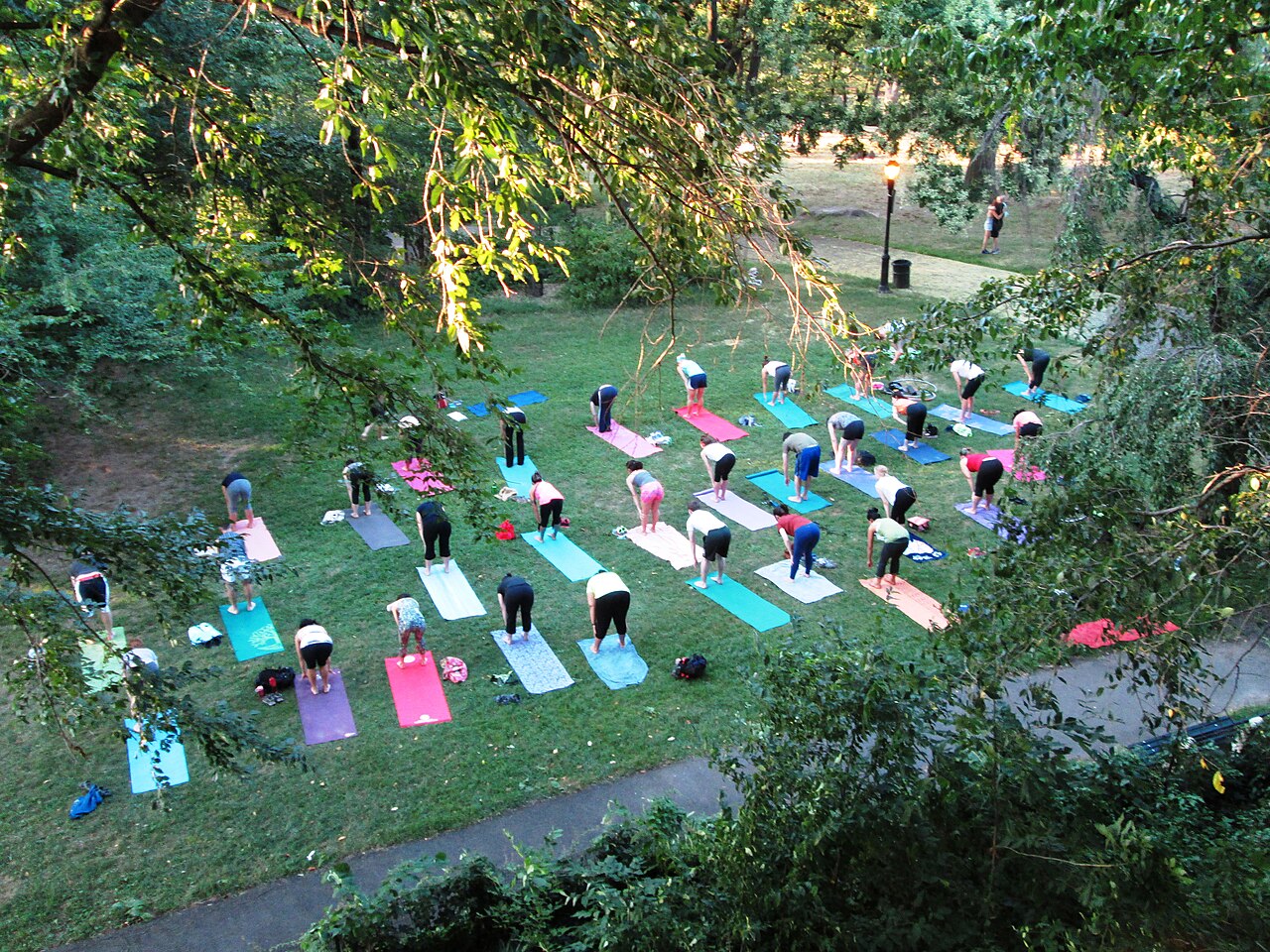
A slow, belly-deep breathing pattern that takes just a few minutes and can be done anywhere is one of the self-help techniques the NHS recommends for stress, anxiety and panic.
Stress can be triggered by ordinary pressures such as work, family relationships, money problems or health worries, the NHS says, but also by happier events, noting that “even significant life events such as buying a house, having a baby or planning a wedding could lead to feelings of stress.” The World Health Organization describes stress as “a state of worry or mental tension caused by a difficult situation,” adding that coping styles and symptoms vary from person to person.
The NHS sets out the breathing technique in five steps:
- Let your breath flow as deep down into your belly as is comfortable, without forcing it.
- Try breathing in through your nose and out through your mouth.
- Breathe in gently and regularly. Some people find it helpful to count steadily from 1 to 5. You may not manage that at first.
- Then let it flow out gently, counting from 1 to 5 again, if you find this helpful.
- Repeat for at least 5 minutes.
It can be done “standing up, sitting in a chair that supports your back, or lying on a bed or yoga mat on the floor,” the NHS says, and it will help most “if you do it regularly, as part of your daily routine” rather than only when already under strain.
Breathing exercises sit alongside a wider list of self-help steps the NHS gives for stress: talking about feelings to a friend, family member or health professional, planning ahead for stressful events, setting small and achievable targets, and considering peer support. It advises against turning to alcohol, cigarettes, gambling or drugs to relieve stress.
Left unaddressed, stress can show up in ways that are easy to miss at first. The NHS lists physical signs including headaches, dizziness, muscle tension and stomach problems, mental signs such as difficulty concentrating and constant worry, and behavioural changes including irritability, disrupted sleep and appetite changes. The WHO adds that persistent stress symptoms can, over time, develop into anxiety or depression that needs professional care.
Neither body claims the breathing technique on its own resolves stress that has built up over time, and both point people toward extra support once self-help stops being enough. The NHS advises seeing a GP if someone is struggling to cope or self-help methods are not working, calling NHS 111 for urgent but non-emergency help, and calling 999 or going to A&E if someone needs immediate help or has seriously harmed themselves.