What screen time before bed does to sleep
Even the type of screen can matter: e-readers such as the Kindle give off blue light, but less of it than other devices, the Sleep Foundation says.
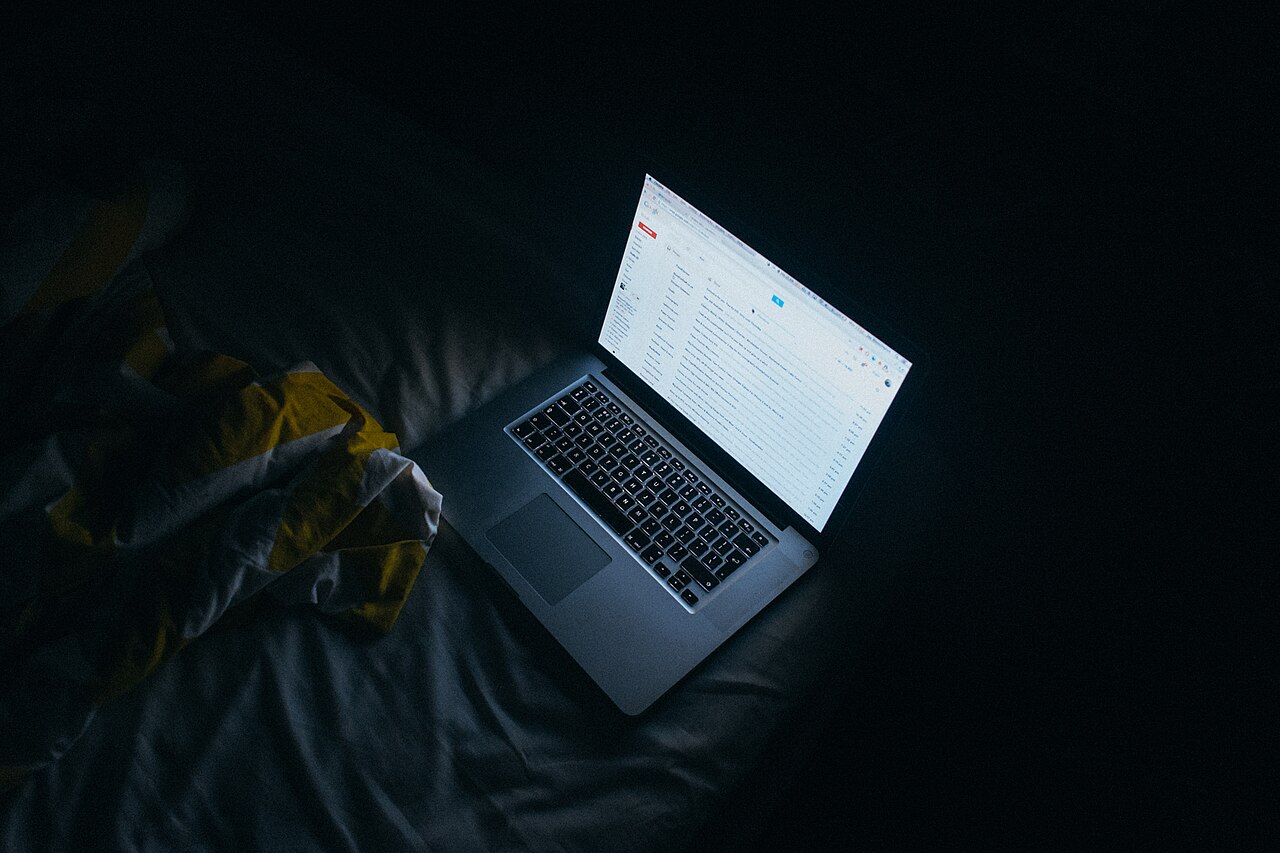
Scrolling on a phone or watching a screen right before bed can make it harder to fall asleep because of the blue light screens give off, the NHS says.
The body runs on light. Sunrise brings cortisol, a hormone that makes people feel awake, the Sleep Foundation says, and as daylight fades the body releases melatonin, which brings on sleepiness.
Blue light in the evening can reduce or delay that release and leave people feeling less sleepy.
Harvard Health Publishing describes an experiment in which people spent 6.5 hours under blue light, or under green light of the same brightness. The blue light held back melatonin for about twice as long, and shifted the body clock twice as far – by three hours, against an hour and a half for the green light.
Both the NHS and the Sleep Foundation set out practical steps for the evening:
- “Try not to use phones, tablets or computers for an hour before bed,” the NHS says on its Every Mind Matters pages, because the blue light from screens can make it harder to fall asleep.
- If a phone has to stay in the bedroom, the NHS suggests putting it on silent and placing it face down, which cuts down on interruptions and light.
- For evenings when a screen has to be used, the Sleep Foundation, citing one study, says the most effective night modes cut blue light and turn the screen’s brightness down as well.
- Ordinary room lighting counts too: the Sleep Foundation says studies have found that indoor light of 100 lux or more can hold back melatonin, while dimmer light has far less effect.
- In place of late-night scrolling, the NHS list of ways to wind down includes reading something you enjoy, meditation, breathing exercises, calming music and podcasts.
The evidence is about a link rather than a clear cause: studies have tied using screens before bed to how long it takes to fall asleep, the Sleep Foundation says.
Light is not the whole story either. Stimulating content such as social media, games or work email may make it harder to relax before bed, the Sleep Foundation says, and children are particularly vulnerable to sleep problems caused by devices that give off blue light.
If cutting back on screens does not help, the NHS advises seeing a GP – especially if trouble sleeping has lasted for months, or is making daily life hard to cope with.
A GP can look into what is behind the problem and may offer cognitive behavioural therapy, which the NHS says can help change the thoughts and habits that keep someone from sleeping.