How long a nap should really last
Naps of more than an hour have been linked to faster cognitive decline and disrupted night-time sleep, although much of the evidence is observational.
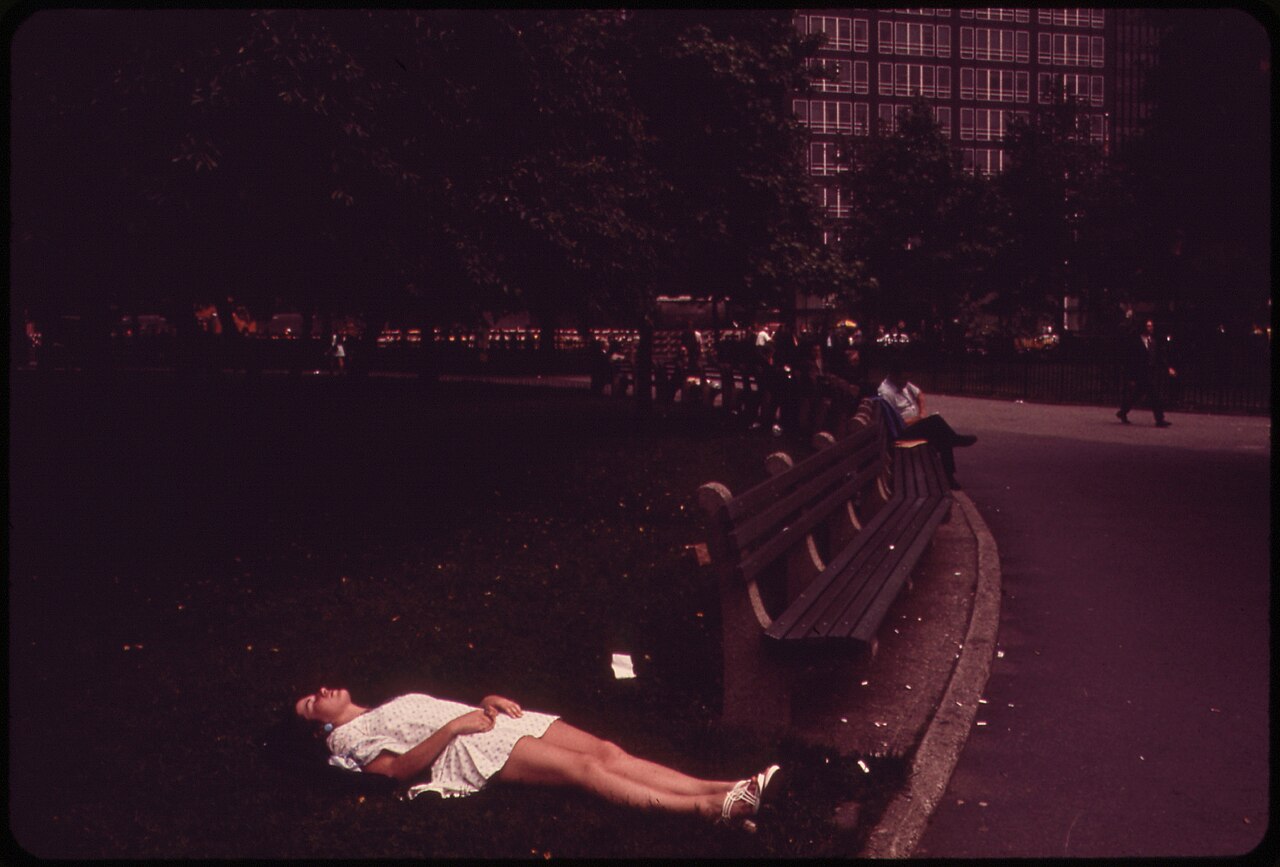
A nap of about 20 minutes, and no longer than 30, lets someone get a little light sleep to boost alertness without slipping into deep sleep, the Sleep Foundation says.
Deep sleep is where the trouble starts. Sleep becomes deeper the longer it lasts, and waking from it brings on sleep inertia, a groggy spell in which alertness can drop considerably, according to the US National Institute for Occupational Safety and Health.
What the research says about getting a nap right:
- About 20 minutes is enough for a boost without deep sleep, the Sleep Foundation says; a longer nap of around an hour and a half, timed to finish a full sleep cycle, may also be beneficial.
- Timing: experts typically recommend that adults nap eight or more hours before bedtime, which for most people means before 3pm.
- Benefits: a nap can improve memory, logical reasoning and the ability to complete complex tasks, and research has found evidence that naps relieved stress and supported the immune system.
- Long naps: napping for more than 60 minutes has been associated with accelerated cognitive decline and with obesity, according to a 2025 narrative review in the journal Annals of Medicine and Surgery.
- Night-time sleep: the same review says long naps raise night-time cortisol, a stress hormone, and can make it take longer to fall asleep and break up sleep through the night.
Much of this evidence is observational, showing a link rather than proving that napping is the cause.
The Sleep Foundation’s summary of the research lists several such links. One study in China tied naps of more than 90 minutes to high blood pressure in middle-aged and older women; another, of older Chinese adults, linked naps longer than 30 minutes to a higher frequency of non-alcoholic fatty liver disease. Naps of more than 60 minutes a day have also been associated with a higher risk of type 2 diabetes.
The Annals of Medicine and Surgery paper is a review of published studies, not a new trial.
The sleep advice from Sherwood Forest Hospitals NHS Foundation Trust, an NHS trust, is short: “Avoid long naps during the day.”
Anyone struggling to get enough sleep at night, or unable to stay awake during normal daytime hours, should talk to a health care provider, the Sleep Foundation advises.
The US guidance on short naps was written for nurses on long or overnight shifts. A brief nap of under 20 minutes does not disrupt sleep later that night, the nurses’ training module explains, because it does not reduce the build-up of pressure to sleep.