Six things that help you sleep
The Sleep Foundation says it is best to talk to a doctor about sleeping problems that are severe or long-lasting, or about sleepiness that lasts through the day.
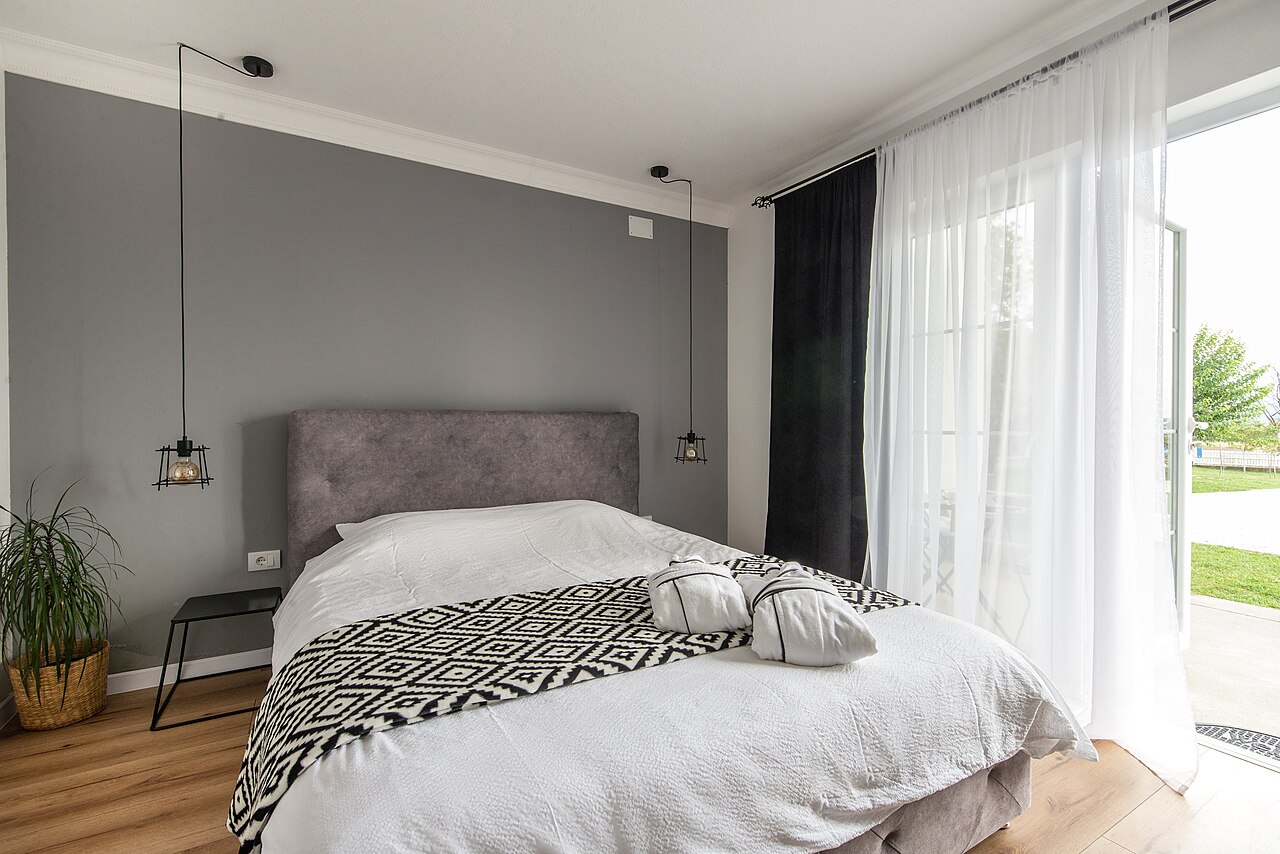
Trouble sleeping night after night usually gets better by changing sleeping habits, the NHS says.
Adults need seven to nine hours of sleep a night on average, and anyone constantly tired during the day is probably not getting enough.
The NHS sets out much the same everyday habits as health bodies in the US, and on some points the two go further:
- Get up and out of bed at the same time every day; the US Centers for Disease Control and Prevention (CDC) says to go to bed at the same time too.
- Stay away from the television and devices such as smartphones right before going to bed, because the blue light makes you more awake.
- Make sure the bedroom is dark and quiet, using curtains, blinds, an eye mask or ear plugs if needed; the CDC adds that it should be relaxing and at a cool temperature.
- Exercise regularly during the day — it can make it easier to sleep at night, the Sleep Foundation says — but not in the four hours before bed.
- Do not smoke or drink alcohol, tea or coffee at least six hours before going to bed, and do not eat a big meal late at night. The CDC also advises avoiding caffeine in the afternoon or evening.
- If sleep has not come after 20 minutes, get up and stretch, read or do something else calming in low light before trying again, the Sleep Foundation says.
Sunlight is one of the key drivers of the body’s daily rhythms, which can encourage good sleep, the Sleep Foundation says.
It also advises keeping away from bright lights, which can hinder the production of melatonin, a hormone the body creates to help sleep.
Better habits alone are not a cure-all. People with serious sleeping problems or sleep disorders may benefit from them, but other treatments are usually necessary as well, the Sleep Foundation says.
The NHS advises seeing a GP if changing sleep habits does not help, if the problem has lasted for months, or if poor sleep is making it hard to cope with everyday life.
Pharmacies sell tablets and liquids, sometimes called sleeping aids, that may help people sleep better for one to two weeks. They cannot cure trouble sleeping and should not be taken for any longer.
GPs now rarely prescribe sleeping pills because they can have serious side effects and people can become dependent on them. They are prescribed only for a few days, or weeks at the most, and only if the problem is very bad or other treatments have not worked.