How much water a day the evidence actually supports
The familiar advice to drink eight glasses of water a day is not a scientific target but a rough guide, and the amount a person actually needs depends on their age, sex and how active they are, health bodies say.
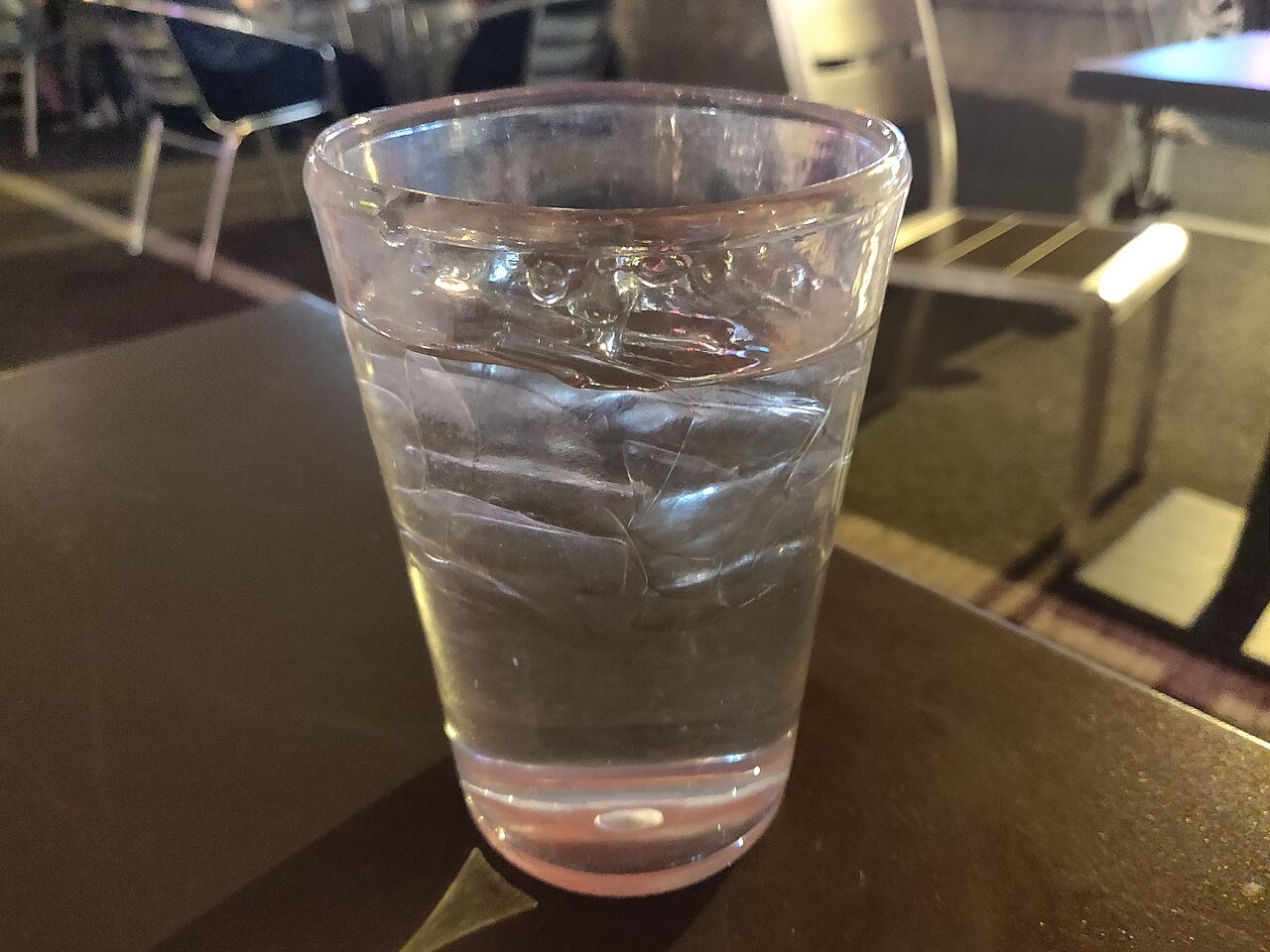
People should aim to drink 6 to 8 cups or glasses of fluid a day, the NHS says — a figure that includes water, lower-fat milk, and sugar-free drinks, not water alone.
The “8 glasses a day” saying that most people have heard is not a strict daily target, according to Harvard’s T.H. Chan School of Public Health. It says the figure is better treated as a general guide, because how much fluid someone needs varies considerably from person to person.
What the evidence says about getting fluid intake right:
- The US National Academy of Medicine’s guidelines suggest an adequate daily fluid intake of about 13 cups for healthy men and about 9 cups for healthy women, Harvard’s public health school says — again as a broad guide rather than a fixed rule for every individual.
- A simple way to check hydration day to day is the colour of urine: most people should aim to drink enough that it stays a clear pale yellow, the NHS says.
- Some groups need more fluid than the general guidance suggests: the NHS lists people who are pregnant or breastfeeding, in a hot environment, physically active for long periods, or ill or recovering from illness.
- Even a small fluid shortfall can be felt quickly. Harvard’s public health school says warning signs such as fatigue, confusion or short-term memory trouble, and mood changes including irritability can appear with a water deficit of as little as 2%.
- The CDC says plain water has no calories, so swapping sugary drinks for water can help cut the calories people take in over a day, and points out that fluid also comes from food, including fruit and vegetables with high water content, not only from drinks.
Drinking too much, too quickly is rare but can be serious. Harvard’s public health school describes a condition called water intoxication, in which taking in a large amount of fluid in a short space of time dilutes sodium levels in the blood, a state known as hyponatremia, and can cause confusion, nausea, seizures and muscle spasms. It says the highest risk is in athletes and other endurance participants who drink very large volumes during prolonged exercise.
None of the health bodies give a single number that fits everyone. The NHS does not publish a litres-based target at all, preferring the cups-of-fluid guidance and the urine-colour check, while the CDC says recommended intake varies by age, sex, pregnancy status, activity level and whether someone is breastfeeding.
For most people, the NHS’s advice comes down to the fluid-colour check rather than a strict number: staying close to 6 to 8 cups a day, drinking more if pregnant, breastfeeding, unwell or very active, and watching for pale yellow rather than dark urine.