Borrowed genes may explain deadly Kent meningitis outbreak
The same changes that made the strain so dangerous may also explain why it has not continued to spread since the outbreak was brought under control, UKHSA said.
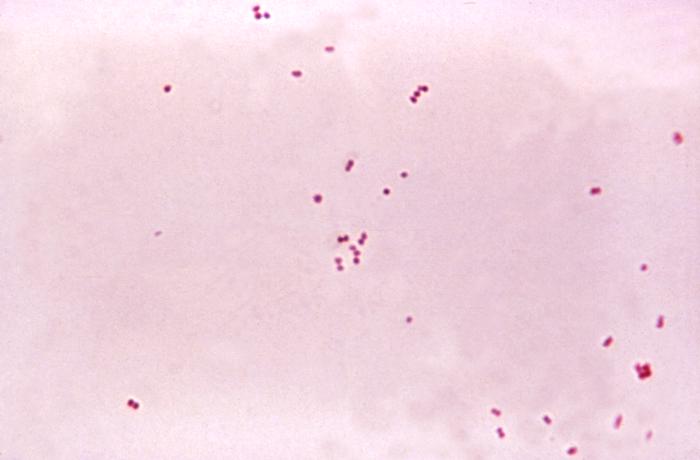
The bacteria behind a deadly Kent meningitis outbreak had borrowed genes from harmless bacteria in the throats of healthy people, changes that may explain the outbreak’s severity, UK Health Security Agency (UKHSA) scientists have said.
Those genetic changes appear to have altered how the bacteria interact with human cells, making the strain unusually effective at causing severe disease and potentially less well recognised by the immune system.
Horizontal gene transfer, as the process is known, lets bacteria pick up small pieces of DNA from other bacteria nearby without reproducing, effectively borrowing genetic traits.
The outbreak was linked to a single nightclub in Canterbury over one weekend in March 2026, when 21 people were diagnosed with invasive meningococcal disease (IMD) in one week.
All those affected needed hospital treatment, nine required intensive care, and two people died, UKHSA said.
UKHSA’s Meningococcal Reference Unit sequenced the outbreak bacteria within days of the first case being reported.
The team then worked with academic partners, including the University of Oxford, to compare the strains against tens of thousands of meningococcal genomes held on international databases.
The team also compared the Kent cluster with historical outbreaks, including one at the University of Southampton in 1997, finding a similar pattern behind rare, intense clusters linked to close social mixing.
The findings were published as a pre-print on 22 September 2026, and the research was presented at the UKHSA Conference 2026.
Because such highly invasive strains can emerge suddenly and unpredictably, similar outbreaks are likely to happen again, though exactly when and where cannot be predicted, UKHSA said.
Every culture-confirmed case of IMD in England has been whole-genome sequenced since 2010 under UKHSA’s national surveillance programme, letting scientists trace the strain’s genetic background quickly.
That information supported a rapid response, including contact tracing, antibiotic prophylaxis and targeted vaccination, helping bring the outbreak under control within days.
Dr Charlene Rodrigues, consultant in pathogen genomics at UKHSA, said: “This investigation shows just how quickly and dramatically these bacteria can change, sometimes acquiring new traits from harmless bacteria circulating nearby, that make them more likely to cause disease.”
Rodrigues added: “That unpredictability is exactly why continued surveillance and rapid response systems are so important, as are vaccination and public awareness of the signs and symptoms of meningococcal disease.”
UKHSA said anyone concerned about symptoms of meningitis or sepsis should seek medical help immediately, and that those symptoms can include:
- Fever
- Headache
- A stiff neck
- Sensitivity to light
- A rash that does not fade under pressure
- Difficulty breathing
- Muscle pain