Winter vomiting bug: why hand gel is not enough
UKHSA figures show hospital outbreaks of norovirus in England 25.4% below the five-season average for the 2026/2027 season so far, though laboratory reports are above it.
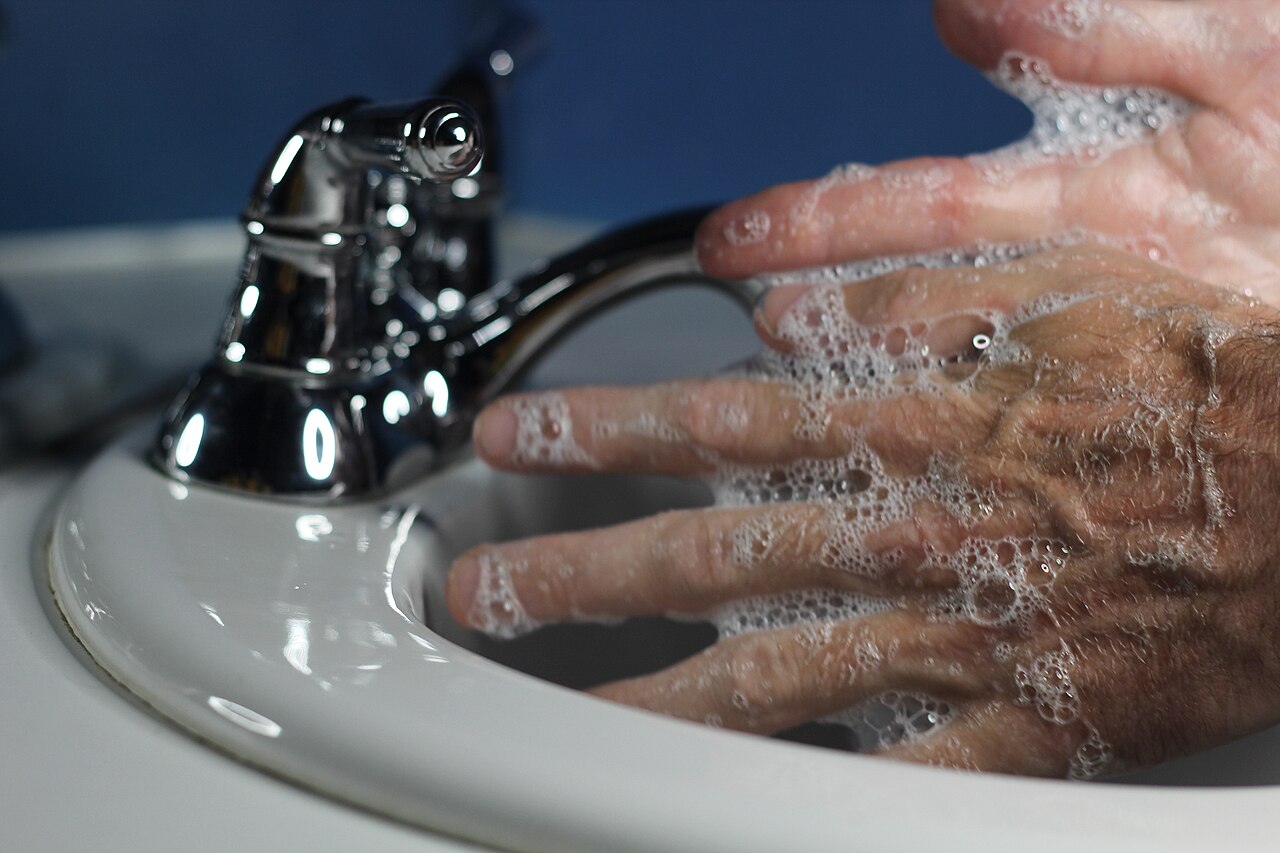
UK Health Security Agency (UKHSA) guidance says people should not rely on alcohol hand gels instead of washing their hands, because the gels do not kill norovirus, the winter vomiting bug.
UKHSA describes norovirus as the most common stomach bug in the UK. It spreads easily through close contact, or through contaminated surfaces, food or water.
Symptoms and recovery
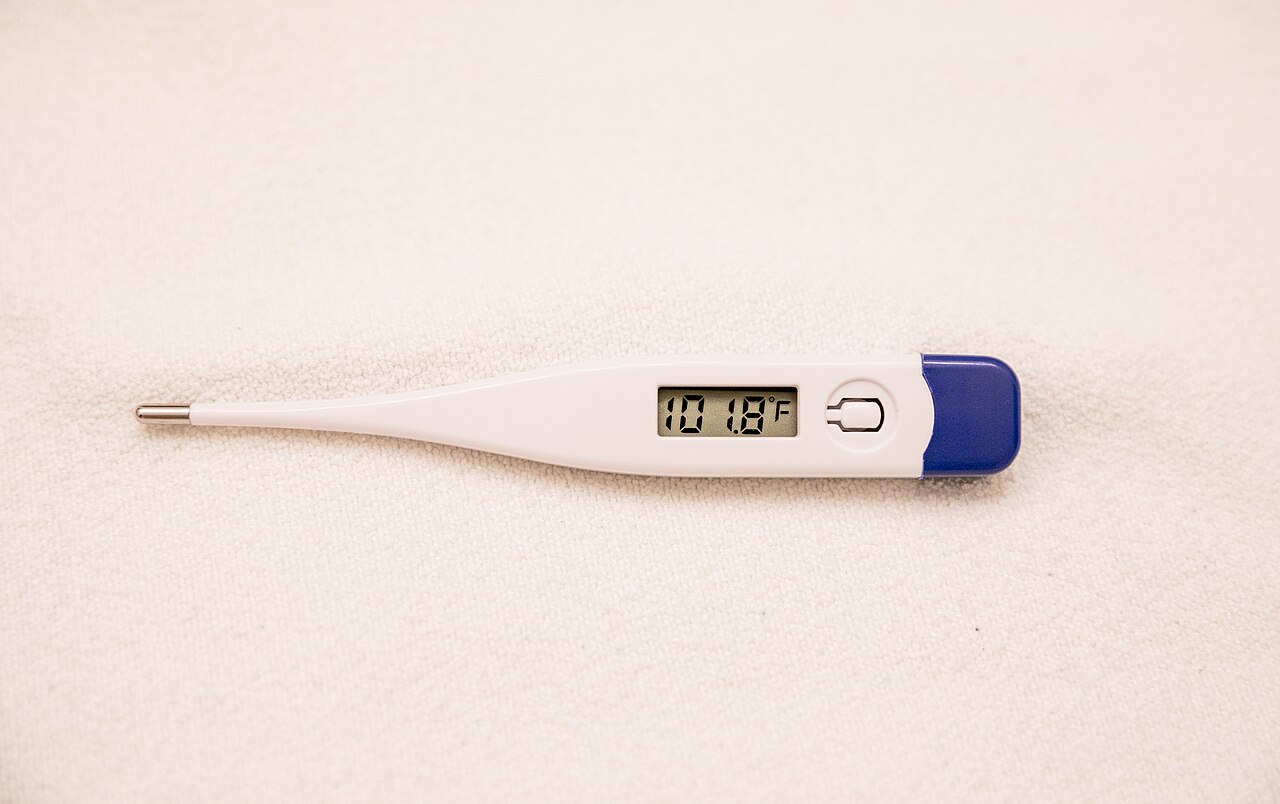
The NHS’s norovirus page says the main symptoms usually start suddenly: feeling sick, being sick and diarrhoea. Some people also have a high temperature, a headache, tummy pain or body aches. Despite the name, the page says, people can catch it at any time of year.
The page says norovirus can usually be treated at home, and people usually start to feel better in two to three days. It says the most important thing is to drink lots of fluids, such as water or squash, to avoid dehydration, and that fruit juice and fizzy drinks can make diarrhoea worse.
Staying away from others
The NHS says people with the bug should stay away from school, nursery or work until they have not been sick or had diarrhoea for two days, and should not visit people in hospitals or care homes in that time. UKHSA’s guidance says at least two days.
UKHSA also lists bleach-based cleaners for disinfecting surfaces and washing contaminated clothing or bedding with detergent at 60°C while wearing disposable gloves.
This season so far
UKHSA’s weekly report, published on 15 October, covers England up to 11 October. It counts 1,631 positive laboratory reports for norovirus since the season began. That is 28.1% more than the average for the same period in five earlier seasons, which exclude the years hit by COVID-19. The latest two weeks were lower: 168 reports, 18.6% below the average.
In hospitals, 17 outbreaks have been reported this season, which is 25.4% fewer than the average. Fifteen led to ward or bay closures. UKHSA says activity remains within expected levels.
The figures are subject to a reporting delay, so recent weeks may rise as more reports arrive, the report cautions.
When the NHS says to call 111
The NHS norovirus page says to call 111 now if:
- someone is worried about a baby under 12 months
- a child stops breast or bottle feeding while ill
- a child under five has signs of dehydration, such as fewer wet nappies
- anyone aged five or over still has signs of dehydration after using oral rehydration sachets
- anyone keeps being sick and cannot keep fluid down
- anyone has bloody diarrhoea or bleeding from the bottom
- anyone has diarrhoea for more than seven days or vomiting for more than two days
It says to call 999 or go to A&E if someone vomits blood or has vomit that looks like ground coffee, and lists other signs on the page.