Eczema can flare as the weather turns cold
Atopic eczema cannot be cured, the NHS says, but treatment can help manage the symptoms.
Many people with eczema can link a sudden downturn in their skin to the start of autumn and winter, the National Eczema Society says, although not everyone’s eczema gets worse in colder weather.
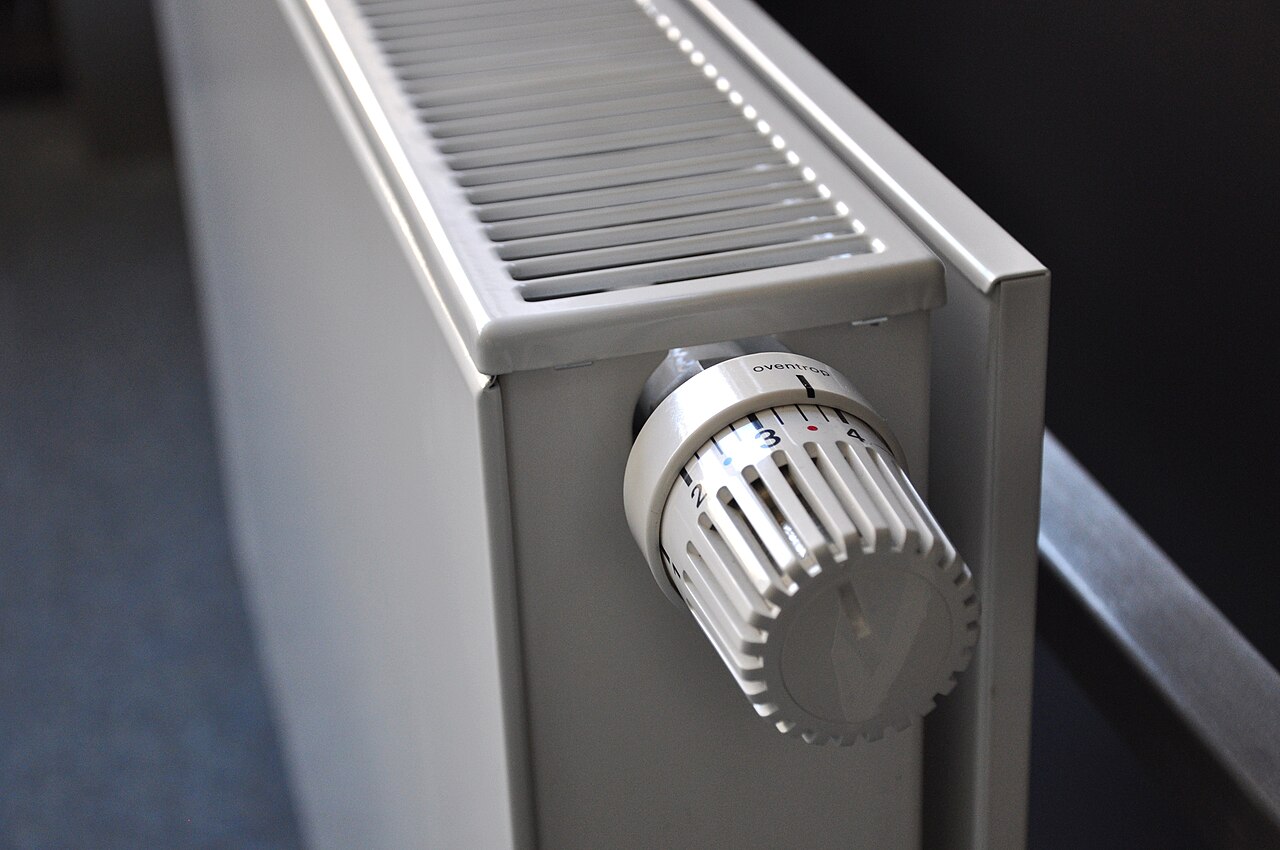
Central heating “strips moisture from the air”, the charity says, and failing to air rooms properly means house dust mites, whose droppings are a common trigger for people with eczema, have “the perfect conditions in which to thrive”.
The NHS page on atopic eczema, last reviewed on 6 September 2024, says there are usually times when symptoms get worse, called flare-ups, and times when they are better. It lists heat or changes in temperature among the things that can make the condition worse, and says being hot can make eczema more itchy. The page does not single out winter.
What the guidance says about winter
For the colder months, the National Eczema Society’s suggestions include:
- Rooms kept at a regular temperature, with 18°C called ideal, and thin layers that can be added or removed
- A bowl of water near radiators, which can help to offset the drying effect, and not sitting too close to a heat source
- Emollient applied at regular intervals, especially on exposed skin such as the face and hands when going outside, and trying to avoid licking the lips, which dries the skin out more
Emollients are moisturising treatments that cover the skin with a protective film, according to NHS guidance on emollients, and can be applied as often as wanted, ideally “at least 3 or 4 times a day”.
The same guidance says to keep away from fire, flames and cigarettes when using emollients, because clothing, dressings and bedding that have been in contact with one can easily catch fire.
When to get medical help
For small, dry, slightly itchy areas, the NHS page on atopic eczema says a pharmacist can give advice and recommend some treatments. If the eczema is more severe, it says, it is best to see a GP.
The NHS says people should ask for an urgent GP appointment or get help from NHS 111 if someone has atopic eczema and:
- the eczema is blistered, crusty, leaking fluid or has spots filled with pus
- the eczema is painful, swollen or feels warm
- the eczema suddenly gets worse or gets bigger
- the person has a high temperature or feels generally unwell
These can be signs that the eczema is infected or of a more serious condition called eczema herpeticum, and treatment such as antibiotics may be needed, the page says. It also says it is not always known what causes atopic eczema, and the National Eczema Society’s page does not say how many people are affected by winter flare-ups.